
Today’s Digital Age and our Vaues.
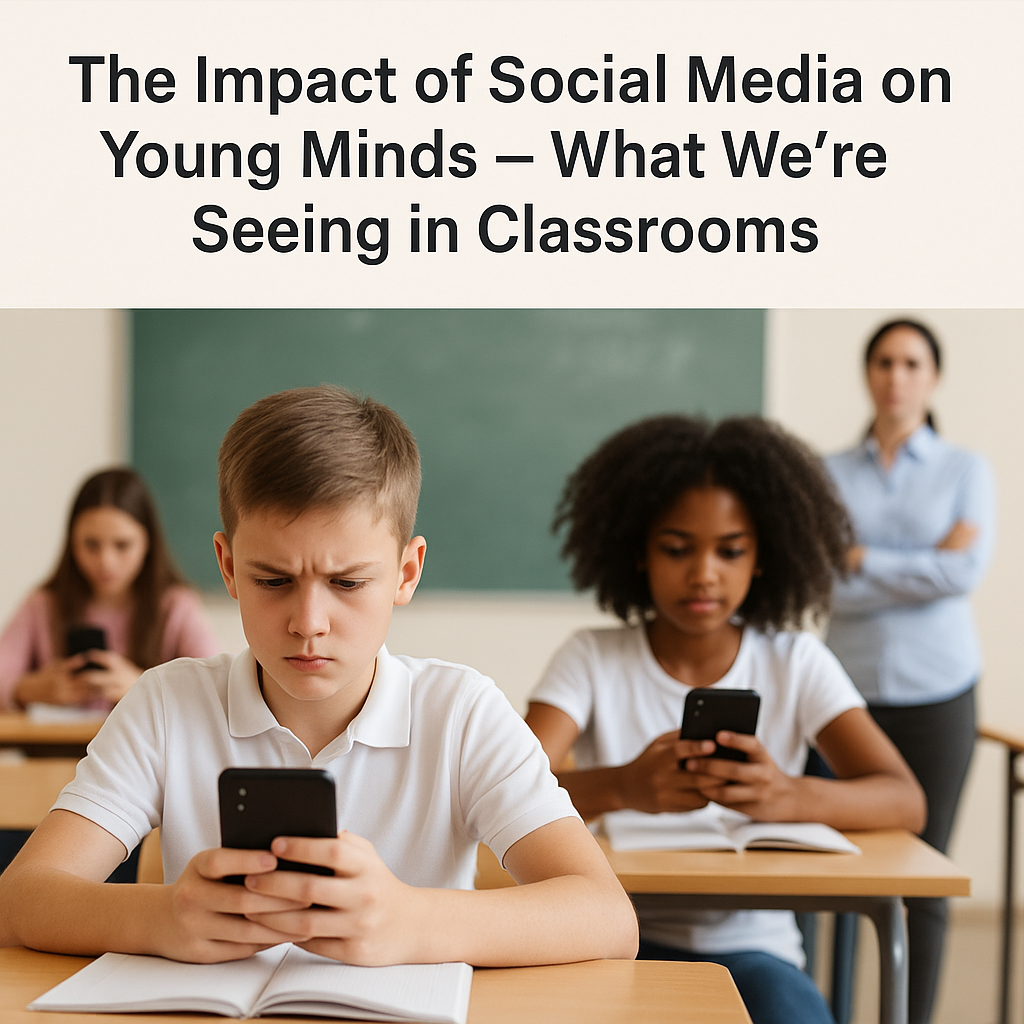
The Impact of Social Media on Young Minds – What We’re Seeing in Classrooms
At Shin Gi Tai Martial Arts Academy, we believe in building confident, respectful, and resilient young people.
That’s why we pay close attention to issues affecting today’s children — not just on the training mats, but in their daily lives too. One growing concern is the powerful influence of social media on young minds, particularly the rise of harmful attitudes fuelled by online influencers.
Recent research involving over 5,800 UK teachers has highlighted growing concerns about the influence social media personalities are having on young people — and the impact isn’t always positive.
Findings from the NASUWT teaching union reveal that close to 60% of educators believe pupil behaviour has declined as a direct result of social media exposure. Of particular concern is the repeated mention of figures like Andrew Tate as negative role models. Teachers have reported troubling examples, including boys as young as 10 refusing to engage with female staff, alongside a noticeable increase in disrespectful and misogynistic language towards women
Lead by Example with Respect at Home
Children absorb far more from what they see than what they are told, which means the most powerful lessons begin at home.
When parents consistently model respect in the way they speak to others — particularly in how men and women are spoken about and treated — it creates a powerful benchmark for children to follow. Simple everyday behaviours such as listening without interrupting, handling disagreements calmly, and recognising the achievements of others can teach values far more effectively than any lecture. Create a home environment where kindness, empathy, and equality are not just talked about, but demonstrated daily.
How Can We as Parents Tackle This?
Lead by Example with Respect at Home
Children absorb far more from what they see than what they are told, which means the most powerful lessons begin at home.
When parents consistently model respect in the way they speak to others — particularly in how men and women are spoken about and treated — it creates a powerful benchmark for children to follow. Simple everyday behaviours such as listening without interrupting, handling disagreements calmly, and recognising the achievements of others can teach values far more effectively than any lecture. Create a home environment where kindness, empathy, and equality are not just talked about, but demonstrated daily.
Start the Difficult Conversations Early
Don’t leave it to school, social media, or their friendship group to shape your child’s understanding of the world.
Conversations around respect, healthy masculinity, personal responsibility, and the type of content they consume online should begin early, before harmful influencers have the opportunity to fill that space. Keep discussions honest, age-appropriate, and ongoing. This should never feel like a single “big talk,” but rather an open and trusted dialogue where your child feels comfortable asking questions, sharing concerns, or discussing something they have seen online without fear of criticism or judgement.
Surround Them with Positive Role Models and Communities
One of the most effective ways to counter toxic online influence is to immerse children in positive real-world environments with strong mentors.
This could come from a coach, teacher, or martial arts instructor who consistently reinforces values such as discipline, humility, resilience, and respect. Training in Karate or Kickboxing offers far more than physical activity. It helps children develop confidence, emotional control, and the understanding that true strength lies in self-discipline, respect for others, and knowing when to walk away from conflict. Just as importantly, being part of a supportive club gives children a genuine sense of belonging — something many young people are searching for online, but do not always find in the right places.
Ready to see if Shin Gi Tai is right for you or your child?
Come and experience the confidence building benefits of Martial Arts in a safe, welcoming and beginner friendly environment. There’s absolutely no obligation to join, it’s simply an opportunity to discover whether we’re the right fit for you.
Government interest
These issues were a key topic at the NASUWT teaching union’s recent annual conference, where members called for action to help protect young people from harmful far-right and populist online content.
Even at the highest levels of government, concerns are growing. Prime Minister Sir Keir Starmer recently hosted talks about protecting boys from being drawn into online hatred, while MP Kemi Badenoch spoke movingly about the tragic loss of her young cousin to the darker corners of the internet.
Calls for mobile phone bans in schools are gaining traction, as leaders across the political spectrum recognise the urgent need to tackle the harmful impact of social media on young minds.

“99.8% of primary schools and 90% of secondary schools in England have now banned mobile phone use.”
In England, schools are taking strong action to protect young people from the harmful effects of mobile phone use during school hours.
Recent national research led by the Children’s Commissioner has revealed just how widespread concern around mobile phones in schools has become. An overwhelming 99.8% of primary schools and 90% of secondary schools now have some form of restriction in place — a clear shift towards protecting students’ wellbeing and focus.
Daniel Kebede, General Secretary of the National Education Union (NEU), has gone a step further by calling for a nationwide legal ban on mobile phones in schools. He believes this would ease the burden on teachers, school leaders, and parents, while also reducing young people’s exposure to harmful online content.
He also raised serious concerns about the type of material many young teenagers are encountering online, warning that exposure to extreme content can distort their understanding of relationships, women, and even their own identity.
As concerns continue to grow, education leaders are now pushing for stronger regulation of technology companies — particularly around the spread of harmful content, including material linked to sexual violence and abuse — as part of a wider effort to better safeguard young people in an increasingly digital world.
At our Academy, we believe positive role models, healthy communities, and the right values are the best antidote.
Through Karate, Kickboxing, Judo and other Martial Arts, we teach not only physical skills but also respect, self-discipline, and confidence — helping children and adults alike to stand strong against negativity and make positive choices in life.
If you’re looking for a place where your child can grow into a respectful, confident young adult, we’d love to welcome you to our Martial Arts family.
“The average 12-year-old now has access to harmful online content — early guidance and strong communities are vital.”
At our Martial Arts Academy in Basingstoke, we believe positive role models, healthy communities, and the right values are the best antidote.
Through Karate, Kung Fu, Kickboxing, Brazilian Jiu Jitsu, Tai Chi and other Martial Arts, we teach not only physical skills but also respect, self-discipline, and confidence — helping children and adults alike to stand strong against negativity and make positive choices in life.
If you’re looking for a place where your child can grow into a respectful, confident young adult, we’d love to welcome you to our Martial Arts family.
What our members think
I'd like to find out more please
Please enter your contact details below to book a free taster class and find out more about how we can help you.